
Complete Guide

The Complete Guide to DiSC® Personality Styles

Learn everything about DiSC personality types, the four behavioral styles, how DiSC works, and why 3M+ professionals use it.

3M+People assessed yearly
100+Countries
97%User satisfaction
40+Languages
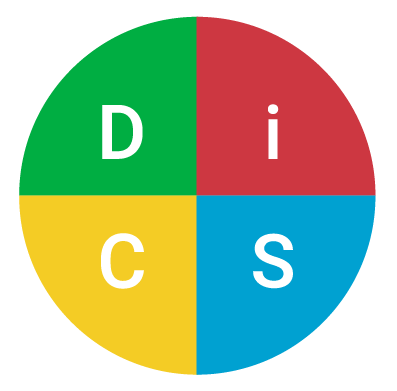
The four DiSC personality styles on the Everything DiSC circumplex
Introduction

What is DiSC?

DiSC is a behavioral assessment model that measures how people behave and interact with others. It’s one of the most widely used personality assessment tools in the world, trusted by over 3 million people annually across Fortune 500 companies, government agencies, educational institutions, and organizations of all sizes. Everything DiSC® is published by Wiley, and in Europe it is delivered by discprofiles.eu — an authorised Everything DiSC partner since 1999 — providing assessments, reports and Everything DiSC Certification to organisations across the EU.

The name “DiSC” is an acronym representing four primary behavioral dimensions: Dominance, Influence, Steadiness, and Conscientiousness. Each letter represents a distinct behavioral style that describes how people approach tasks, interact with others, and respond to challenges.

The DiSC wheel logo

Why DiSC Matters

  • Building high-performing teams — shared understanding reduces conflict
  • Improving leadership — adapt your approach to motivate different styles
  • Enhancing communication — a common language for discussing differences
  • Resolving conflicts — bridges misunderstandings between styles
  • Improving customer relationships — serve clients more effectively
  • Career development — play to your strengths, grow where needed

Everything DiSC® vs Traditional DiSC

Everything DiSC® is the original, modern version of the DiSC model created by Wiley, the world’s leading provider of assessment and development solutions. Only authorised partners can supply the genuine Wiley instruments: discprofiles.eu has been an authorised Everything DiSC partner since 1999, which is why the reports we issue are official Everything DiSC profiles rather than unlicensed DiSC-style questionnaires.

  • Scientifically proven and reliable — validated to rigorous psychometric standards
  • Advanced digital assessment technology
  • Personalized, detailed reports
  • Integration with modern workplace tools (Catalyst platform)
  • Real-time group insights and team dynamics analysis
  • Continuous learning resources and development plans
Since 1928

History of DiSC: From Theory to Global Standard

The Origins: William Moulton Marston (1928)

The DiSC model is based on the work of psychologist William Moulton Marston, who published Emotions of Normal People in 1928. Marston theorized that human behavior could be understood through four primary dimensions based on how people respond to their environment and others. Interestingly, Marston is also known as the creator of Wonder Woman, and he incorporated his behavioral theories into the character — a symbol of strength, influence, and conscientiousness.

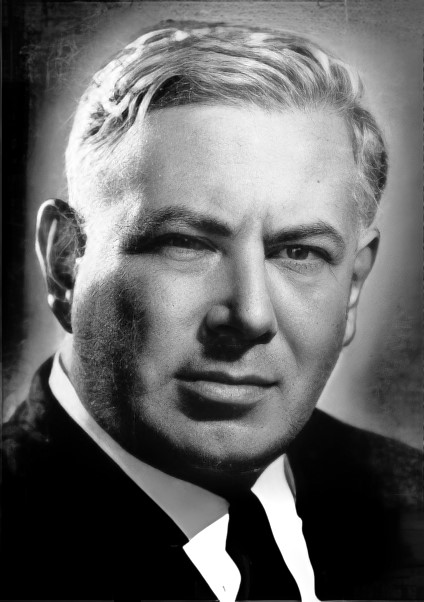
William Moulton Marston, 1938

Evolution of DiSC begins

John Geier developed the first DiSC assessment based on Marston’s theory, creating the DISC Personal Profile System.

1950s–1960s

Corporate adoption

DiSC gained popularity in corporate training and organizational development. Companies began using it for team building, leadership development, and sales training.

1970s–1980s

Going digital

Digital versions of DiSC emerged, making it more accessible. The model was refined based on decades of research and real-world application.

1990s–2000s

Everything DiSC® launches

Everything DiSC® was launched by Wiley, bringing DiSC into the modern era with cloud-based assessments, detailed personalized reports, and integration with workplace platforms.

2010s–Present

Global adoption today

  • 100+ countries across all continents
  • 40+ languages
  • Fortune 500 companies
  • Government agencies
  • Educational institutions
Today
The Science

How Does DiSC Work? The Science Behind Behavioral Assessment

The DiSC model is built on two fundamental dimensions that create a 2×2 matrix producing the four primary DiSC styles.

Horizontal Axis: Questioning – Accepting

Questioning and Skeptical: People who focus on accomplishing objectives, solving problems, and achieving results.

Accepting and Warm: People who focus on relationships, collaboration, and how decisions affect others.

Vertical Axis: Cautious – Bold

Fast-Paced and Outspoken: People who move quickly, make decisions rapidly, and prefer action over analysis.

Cautious and Reflective: People who prefer to slow down, gather information, and think things through before acting.

The DiSC circumplex model showing the four styles across two axes

Reliability and Validity

DiSC is built on a strong foundation of behavioral research and has undergone rigorous psychometric testing to ensure reliability and validity.

0.84Test-retest reliability
0.85+Internal consistency
90%Find their profile accurate
54DiSC Net Promoter Score
The Four Styles

The Four DiSC Personality Styles

The four DiSC personality styles — D, i, S and C — are the core of the model. Every person has a unique blend of all four, but most people have one or two dominant styles. Understanding these four primary styles is the foundation of DiSC. Click a style below to explore it.

D style

D — Dominance: The Leader

Core Traits: Direct, decisive, results-oriented, competitive, ambitious

How They Work

  • Focus on accomplishing objectives and achieving results
  • Make decisions quickly and confidently
  • Challenge the status quo and push for change
  • Prefer direct communication without unnecessary details
  • Naturally take charge and lead others

Strengths

  • Strong problem-solvers who tackle challenges head-on
  • Drive results and hold themselves and others accountable
  • Confident decision-makers who aren’t afraid of risk
  • Natural leaders who inspire action
  • Competitive spirit motivates continuous improvement

Potential Challenges

  • Can be impatient with slower-paced colleagues
  • May overlook people’s feelings in pursuit of results
  • Can come across as aggressive or domineering
  • May not listen well to opposing viewpoints
  • Risk-taking can sometimes lead to poor decisions
i style

i — influence: The Communicator

Core Traits: Enthusiastic, outgoing, people-focused, optimistic, persuasive

How They Work

  • Energized by interaction and collaboration
  • Naturally persuasive and great at building relationships
  • Optimistic about possibilities and potential
  • Prefer verbal communication and group settings
  • Motivated by recognition and social connection

Strengths

  • Excellent communicators who inspire and motivate others
  • Build strong relationships and networks easily
  • Creative thinkers who see possibilities
  • Great at sales, marketing, and public speaking
  • Positive energy that lifts team morale

Potential Challenges

  • Can be disorganized or scattered
  • May talk too much and not listen enough
  • Can be overly optimistic and miss potential problems
  • May struggle with detailed, solitary work
  • Can be impulsive and make hasty decisions
S style

S — Steadiness: The Supporter

Core Traits: Patient, reliable, team-oriented, supportive, calm

How They Work

  • Focused on maintaining harmony and stability
  • Prefer working as part of a team rather than alone
  • Patient listeners who support others
  • Consistent and dependable in their work
  • Motivated by helping others and being appreciated

Strengths

  • Excellent team players who support others
  • Calm under pressure and steady in crises
  • Loyal and committed to their roles
  • Great listeners who understand others’ perspectives
  • Create stable, supportive team environments

Potential Challenges

  • Can be resistant to change
  • May avoid conflict even when necessary
  • Can be too accommodating and not speak up
  • May struggle with fast-paced, high-pressure situations
  • Can be indecisive when forced to choose sides
C style

C — Conscientiousness: The Analyst

Core Traits: Analytical, detail-oriented, quality-focused, systematic, cautious

How They Work

  • Focus on accuracy, quality, and doing things right
  • Prefer data and evidence before making decisions
  • Systematic and organized in their approach
  • Motivated by competence and doing excellent work
  • Careful and thorough in their analysis

Strengths

  • Excellent at quality control and attention to detail
  • Thorough analysis prevents costly mistakes
  • Systematic approach ensures consistency
  • High standards drive excellence and great complex problem-solving

Potential Challenges

  • Can be overly critical or perfectionistic
  • May get bogged down in details
  • Can be slow to make decisions due to analysis
  • May struggle with ambiguity or incomplete information
  • Can be perceived as cold or overly critical

Keep exploring the four styles

Practical guides on spotting, understanding and adapting to each DiSC style.

D i S C

Which DiSC style are you?

Free · 60-second quiz. Take our free quiz and get an instant estimate of your DiSC style.

Take the free quiz →
Listen

Listen to DiSC Podcasts

Explore Wiley’s podcast episodes with thought-provoking expert insights about each DiSC style.

D style podcast hostListen to a podcast about the D style
i style podcast hostListen to a podcast about the i style
S style podcast hostListen to a podcast about the S style
C style podcast hostListen to a podcast about the C style
Comparisons

DiSC vs Other Personality Assessments

See how DiSC compares to the other most popular frameworks. Click a tab to compare.

AspectDiSCMBTI
FocusBehavioral style and communicationPersonality preferences and cognitive functions
Dimensions4 primary styles (D, i, S, C) + 8 blended styles4 (E/I, S/N, T/F, J/P)
PurposeWorkplace communication and team dynamicsPersonal development and career planning
ComplexitySimpler, easier to rememberMore complex with 16 types
ApplicationTeams, leadership, sales, customer serviceIndividual development, career counseling
Accuracy97% user satisfaction90% user satisfaction
Key Difference: DiSC focuses on how you behave and communicate, while MBTI focuses on why you think and perceive the world.
AspectDiSCBig Five
FocusObservable behavioral style and workplace tendenciesBroad personality traits across five dimensions
Dimensions4 primary + 8 blended styles5 traits (Openness, Conscientiousness, Extraversion, Agreeableness, Neuroticism)
PurposeImprove communication, teamwork, leadership, and self-awareness at workUnderstand overall personality structure and behavioral tendencies
ComplexitySimple, memorable, and easy to apply in everyday workMore analytical and research-oriented
ApplicationTeams, managers, sales, coaching, conflict, collaborationResearch, assessment, personal insight, talent and psychology contexts
Key Difference: DiSC focuses on practical workplace behavior and communication, while Big Five measures broader underlying personality traits.
AspectDiSCStrengthsFinder
FocusBehavioral styleCharacter strengths and talents
Types4 primary + 8 blended34 strengths
PurposeHow you interact with othersWhat you’re naturally good at
ApplicationTeam dynamics, communicationIndividual development, strengths-based management
ComplementaryYes — use together for a more complete picture
Key Difference: DiSC tells you how you behave; StrengthsFinder tells you what you’re naturally good at. They work well together.
AspectDiSCEnneagram
FocusBehavioral stylePersonality type and motivations
Types4 primary + 8 blended9 types
PurposeWorkplace and team dynamicsPersonal growth and self-awareness
ComplexitySimple and practicalComplex with wings and levels
ApplicationBusiness, teams, communicationPersonal development, spirituality
Key Difference: DiSC is practical and business-focused, while Enneagram is more introspective and development-focused.
In Practice

Real-World Applications of DiSC

Where teams put DiSC to work every day.

DiSC in Leadership Development

  • Adapt their leadership style to different team members
  • Communicate more effectively with diverse personalities
  • Build stronger, more cohesive teams
  • Reduce conflict and improve collaboration
  • Increase employee engagement and retention
Example: A D-style leader might naturally be directive and results-focused, but understanding that S-style team members need reassurance and stability helps them adjust their approach.
DiSC in Sales and Customer Service

  • Understand customer behavioral preferences
  • Adapt their sales approach to different customer types
  • Build stronger client relationships
  • Close deals more effectively
  • Improve customer retention
Example: An i-style salesperson is naturally enthusiastic, which works great with i-style customers — but with C-style customers, they learn to provide data and evidence rather than just enthusiasm.

DiSC in Team Building

  • Understand team dynamics and communication patterns
  • Reduce conflict by appreciating different styles
  • Leverage diverse strengths
  • Improve collaboration and trust
  • Create more effective team processes
Example: A team with all D-style members might be highly productive but miss details. Adding C-style members brings quality focus, and S-style members bring team cohesion.

DiSC in Conflict Resolution

  • Explaining that differences are natural, not personal
  • Helping people understand the other person’s perspective
  • Providing frameworks for communication
  • Reducing defensiveness and blame
  • Finding common ground
Example: A D-style person who wants to move fast might conflict with a C-style person who wants to analyze first. Understanding both approaches have value helps find a middle ground.

DiSC in Remote Teams

  • Helps team members understand communication preferences
  • Reduces misunderstandings in written communication
  • Improves virtual meeting effectiveness
  • Helps managers adapt to different work styles
  • Builds connection despite physical distance
Example: A C-style team member’s terse written updates can read as curt to an i-style colleague — agreeing on a quick video check-in alongside async messages keeps both styles comfortable.

DiSC in Onboarding

  • Tailor onboarding communication to how new hires prefer to learn
  • Set new managers up to adapt their style from day one
  • Give new team members a shared language to introduce themselves
Example: A new C-style hire may prefer written onboarding material and time to prepare questions, while a D-style hire ramps up faster with clear goals and the freedom to jump in early.

Want to get certified in DiSC?

Learn how to become a certified DiSC® practitioner, the requirements, training process, costs, and ROI for your career or business.

Read more →
Your Report

How to Use Your DiSC Results

When you take the Everything DiSC assessment, you gain access to Everything DiSC Catalyst—an interactive learning platform that goes far beyond a traditional report. Inside Catalyst, you’ll discover:

1. Your DiSC StyleA clear breakdown of your primary style and behavioral tendencies.
2. Your DiSC MapA dynamic visual of your position on the DiSC model.
3. Workplace PrioritiesWhat drives you at work and shapes your behavior.
4. Strengths & ChallengesWhat you do well, and where strengths may be overused.
5. Reactions Under PressureHow your behavior shifts in stressful situations.
6. Tips for Working with YouGuidance for colleagues to collaborate with you.
7. Development InsightsPersonalized suggestions to adapt and grow.
8. Ongoing LearningInteractive tools and real-time insights in Catalyst™.

Putting DiSC Into Practice

Applying DiSC to Your Work — select an audience below.

  • Understand your natural strengths and play to them
  • Recognize areas where you might struggle and develop strategies
  • Improve communication with colleagues who have different styles
  • Adapt your approach when working with different personality types
  • Understand each team member’s style and adapt your leadership approach
  • Communicate more effectively with each person
  • Delegate tasks that align with each person’s strengths
  • Create a more inclusive, high-performing team
  • Understand team dynamics and why certain conflicts arise
  • Appreciate diverse perspectives and approaches
  • Improve collaboration and communication
  • Leverage different styles to achieve better results
  • Create more effective teams by balancing styles
  • Improve customer service by understanding customer behavioral preferences
  • Develop leaders who can work effectively with diverse personalities
★ Everything DiSC® Workplace is certified by DNV as an occupational test tool against the EFPA review model. Read more
Get Started

Getting Started with DiSC

From taking the assessment to putting it to work — the whole path in six steps.

Phase 1

Taking the assessment

1

DiSC Online Questionnaire

You answer questions about your behavioral preferences and how you typically respond to situations. Takes about 15 minutes.

2

DiSC Behavioral Analysis

The system analyzes your responses to determine your DiSC style, along with your intensity in each scale.

3

Your Personalized Report

A detailed report covering your style, workplace priorities, strengths, motivators, stressors, and development tips.

Phase 2

Putting it to work

4

Reflect and Learn

  • Reflect on how your style shows up in your work and relationships
  • Identify one or two areas where you want to develop
  • Think about how your style interacts with colleagues’ styles
5

Apply and Develop

  • Share your style with colleagues and discuss how to work together
  • Use the tips in your report to adapt your communication
  • Observe how others respond when you adjust your approach
6

Get Certified optional

To become an expert and help others understand DiSC, you can pursue DiSC certification through a 2-week training program.

FAQ

Frequently Asked Questions About DiSC

Common questions about the DiSC personality styles, the assessment, and getting certified.

General Questions

Yes. DiSC has strong reliability and validity. 90% of learners find their profile accurate. Everything DiSC® assessments are built on a strong foundation of behavioral research and have undergone rigorous psychometric testing. However, no assessment is 100% accurate for every person — your DiSC style is your natural preference, but you can adapt and develop flexibility.

Your core style is relatively stable over time, but you can develop flexibility and adapt your behavior in different situations. This is called “adaptability.” For example, a naturally fast-paced D-style person can learn to slow down and listen more carefully when working with S-style colleagues.

The Everything DiSC assessment takes about 15 minutes to complete online.

No. DiSC focuses on behavioral style and communication, while MBTI focuses on personality preferences and cognitive functions. Both are valuable but serve different purposes. Many people take both assessments for a complete picture.

Prices vary depending on the assessment type and language. Contact us for current pricing.

DiSC Application Questions

Your DiSC results help you understand your natural behavioral style, strengths, and development areas. You can use this information to improve communication, build better relationships, adapt your leadership style, and work more effectively with people who have different styles.

DiSC has not been validated as a hiring tool — there is no direct correlation between DiSC styles and job success or satisfaction. DiSC focuses on personality traits rather than the skills and abilities required for a specific job. However, some jobs do show a disproportionate number of people with similar styles (for example, more iD styles in sales, or C styles in IT and finance) — a modest trend that may reflect who chooses or is hired for that profession. Everything DiSC is still used by many organizations to build self-awareness and understand new employees’ style preferences and ideal work environments, aiding their successful integration.

DiSC helps remote teams understand communication preferences, reduce misunderstandings in written communication, improve virtual meeting effectiveness, and build connection despite physical distance.

Yes. DiSC helps resolve conflicts by explaining that differences are natural (not personal), helping people understand the other person’s perspective, and providing frameworks for communication.

Prices vary depending on the assessment type and language. Contact us for current pricing.

DiSC Certification Questions

No. You can take the assessment and use your results for personal development without certification. However, certification is highly recommended if you want to facilitate DiSC trainings or coaching for others.

The Everything DiSC certification program typically takes 2 weeks (8 hours of live training + independent online work). You can find more info about DiSC certification here.

With DiSC certification, you can facilitate DiSC trainings, offer one-on-one coaching, integrate DiSC into HR processes, sell DiSC assessments, and build a consulting practice around DiSC.

Yes. Many organizations train HR and learning & development teams to use DiSC internally. After DiSC certification, internal practitioners can deliver DiSC workshops to leaders and teams, support onboarding and team development initiatives, facilitate conversations around communication and collaboration, use the Everything DiSC Catalyst platform for ongoing learning and team insights, and get their own admin account with discounted DiSC profile pricing. Many organizations adopt DiSC as a common language for behavior and collaboration, scaling leadership and team development across the organization.

Your Journey with DiSC Starts Here

DiSC is more than just a personality assessment — it’s a framework for understanding yourself and others, improving communication, building stronger teams, and creating more effective organizations.

Whether you’re an individual wanting to understand yourself better, a manager building a high-performing team, or a professional considering certification, DiSC provides practical, actionable insights that drive real results.

Talk to a DiSC expert

Tell us about your team and goals, and one of our DiSC specialists will get back to you.

    We only use your details to reply to your request. Privacy policy